
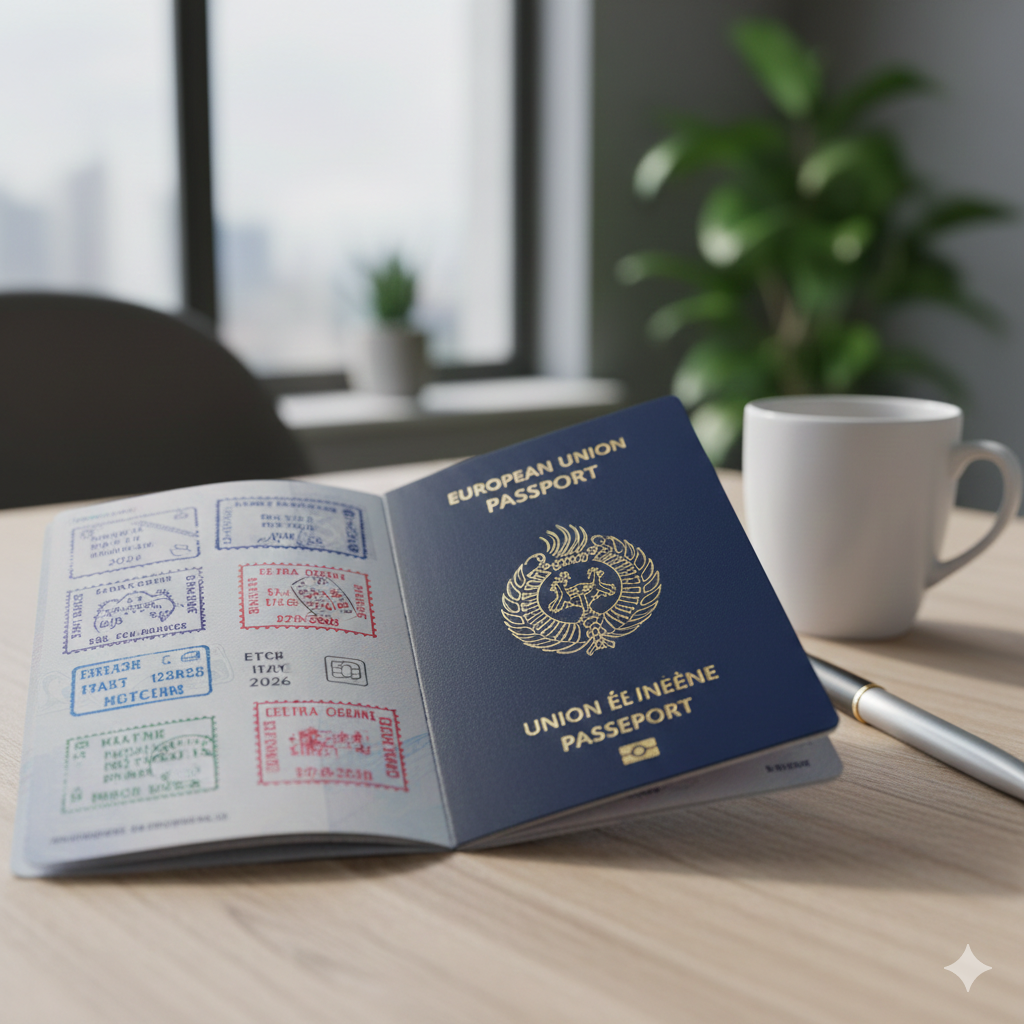
The year 2026 marks a major shift in how travelers visit Europe. With the full implementation of the Entry/Exit System (EES) by April 2026 and the new digital visa platforms, applying for a Schengen Visa 2026 is now more tech-oriented than ever. Whether you are planning a summer trip to France or a business visit to Germany, here is your updated guide.
What is New in the Schengen Visa 2026 System?
Starting in early 2026, many European countries began transitioning to a fully digital visa process. This means:
- No More Passport Stamps: The EES system now records entries and exits digitally, replacing manual stamping.
- Longer Biometrics Validity: Fingerprints are now valid for 5 years, making renewals easier for frequent travelers.
- Price Update: Be aware that visa fees have seen a slight increase, with the standard adult fee now around €90.
Step-by-Step: How to Apply for Schengen Visa Online
To ensure your application is successful, follow these official steps:
- Identify Your Main Destination: Apply to the country where you will spend the most nights.
- Book via Official Portals: Most countries use VFS Global or TLScontact. Since February 2026, France has made digital data submission mandatory before booking appointments.
- Upload Documents: You will need to upload digital copies of your flight itinerary, hotel bookings, and travel insurance (minimum coverage €30,000).
- Biometrics Appointment: Even with online forms, first-time applicants must visit a center for fingerprints.
Important Note: If you are also considering North America, don’t forget to check our recent guide on Canada Student Visa 2026 for a different path to international mobility.
Common Documents Required in 2026
- Valid Passport: Must be issued within the last 10 years and valid for 3 months after your return.
- Proof of Financial Means: Bank statements for the last 6 months (requirements vary by country, usually €60-€80 per day).
- Employment Letter: A No Objection Certificate (NOC) from your employer.
Pingback: Europe Immigration Updates 2026: ETIAS & New Visa Rules